Last updated: November 2026 · Facts checked 10 November 2026
Ararat Brandy is the spirit made at the Yerevan Brandy Company, and you taste it on a guided museum visit. Armenians call the drink konyak (կոնյակ). A guide leads you through the working ageing cellar, and the visit ends with a tasting.
The standard tasting is 4,500 dram, as of November 2026. However, three other tastings cost 7,500, 10,000 and 12,000 dram. In fact, every pour on the list is 25 ml, with sweets and water.
Key Facts
- Where: ARARAT Museum, Yerevan Brandy Company, 2 Admiral Isakov Avenue, Yerevan 0082
- Hours: every day, 10:00–19:00, as of November 2026
- Standard tour: 4,500 dram. Three Stars and seven-year Ani, 25 ml each, with sweets and water
- Other tastings: 7,500, 10,000 and 12,000 dram. See the four packages below
- Book: +374 10 51 01 49 for a near date. Email museum@pernod-ricard.com if the date is more than four days away, and wait for confirmation
- Also: shop +374 10 51 01 60. Factory +374 10 540 000
- Rules: underage drinking is forbidden. Do not drive after the tasting
In this guide · 6 sections
How to Book an Ararat Brandy Tour
Call the museum on +374 10 51 01 49 when the date is soon. However, if the visit is more than four days away, email museum@pernod-ricard.com and wait.
In fact, the museum asks you to treat that message as a request, not as a confirmed ticket. Then keep the reply, and take it with you on the day.
The contacts page also lists a shop line, +374 10 51 01 60. Also, the factory line is +374 10 540 000. In addition, neither number replaces the museum booking note.
The museum page does not say whether you pay online or at the door. [CHECK: how visitors pay.] In fact, other sites sell tickets at their own prices.
Therefore the four figures in this guide are the ones printed on araratbrandy.com in November 2026. Then you can ignore a higher price on a reseller page.
The Four Tastings
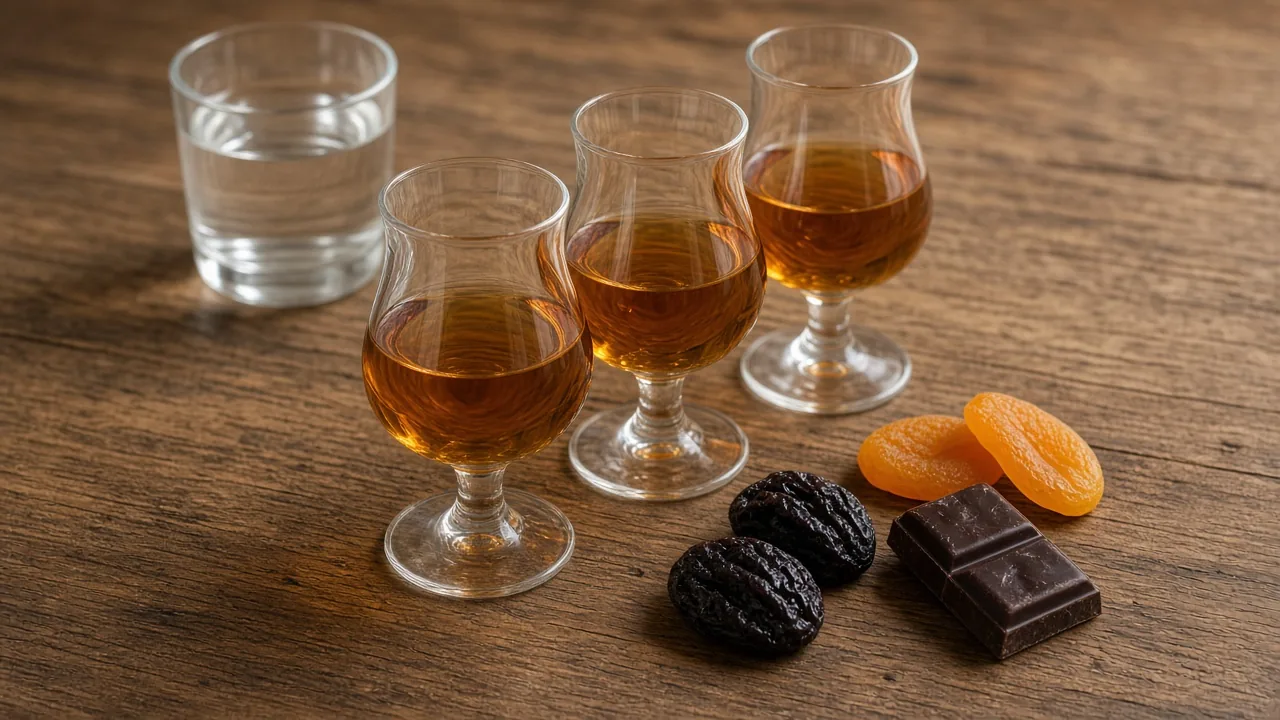
Each package is a museum tour plus a tasting. For example, the glasses change, and the walk through the ageing workshop stays. Also, sweets and water come with every package.
- Standard – 4,500 dram. Three Stars, 25 ml, and seven-year Ani, 25 ml.
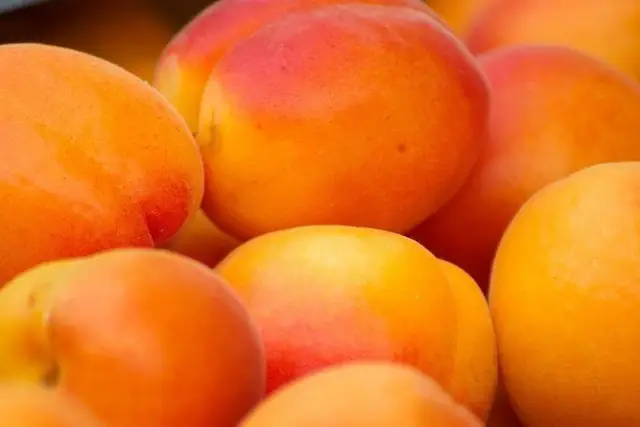
- ARARAT Flavors – 7,500 dram. Seven-year Ani, Apricot and Coffee, 25 ml each.
- Advanced – 10,000 dram. Ten-year Akhtamar, twenty-year Nairi and fifteen-year Vaspurakan, 25 ml each.
- ARARAT 10 – 12,000 dram. Three ten-year brandies: Akhtamar, Armenia and the collection reserve Dvin, 25 ml each.
What the Museum Asks of You
Underage drinking is forbidden on the tour. Also, the museum says alcohol and driving do not go together. In addition, it says alcohol should be avoided in pregnancy. Therefore plan a taxi back into Yerevan, not a car you still have to drive.
The page does not print a minimum age in years, and it does not say how long a tour lasts. [CHECK: age in years, and the length of a tour.]
Meanwhile, arrive with the booking confirmed. The museum asks for that reply before a date that is still days away.
History of the Factory
The company dates the first brandy production to 1887. In fact, Vasily Tairov, editor of a winemaking journal, urged his brother Nerses Tairyan to start it. Also, Tairyan was a merchant of the first guild.
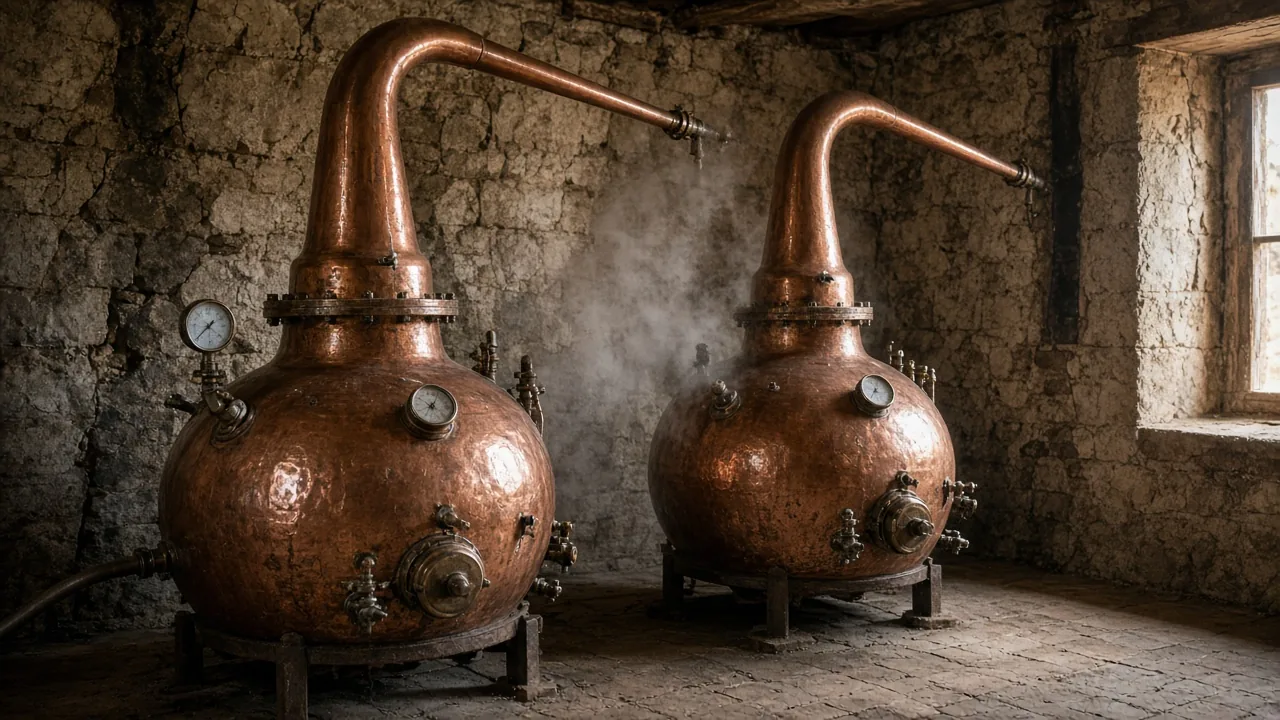
Then the brothers set Charente stills, brought from France, in a small stone building. The building stood on the site of a former fortress.
Around 1900 the works joined Shustov & Sons, a firm known across the Russian Empire. Then distiller Kirill Silchenko and blender Mkrtich Musinyants began work there.
For example, Musinyants made Fine Champagne Select, named for the French cognac region. In 1902 a jury in Bordeaux rated that brandy as meeting the standards of the type.
The first recognition abroad came in 1902, from a jury at an exhibition in Bordeaux.
Through War and Nationalisation
During the First World War the empire declared a dry law, and the staff worked to keep the cellars. Also, the history page says Musinyants saved a collection of spirits in the unrest that followed.
Then the brandy factories were nationalised. Soviet Armenia turned the plant into a wine and brandy trust.
Sedrakyan and the Named Blends
In 1937 Markar Sedrakyan, a graduate of the Yerevan Agricultural Institute, began the work he is remembered for. However, his first vintage brandy was Jubilee.
Then he named one blend Armenia, and he named Dvin after the old capital. The company says Dvin is stronger than usual.
The same page tells a story about Dvin and a British prime minister in the Second World War. [CHECK: the history page breaks off his name.]
In fact, the modern capital later gave its name to a blend called Yerevan. Also, a brandy of 57 degrees was made for the polar expeditions of that time.
The Building by the Hrazdan
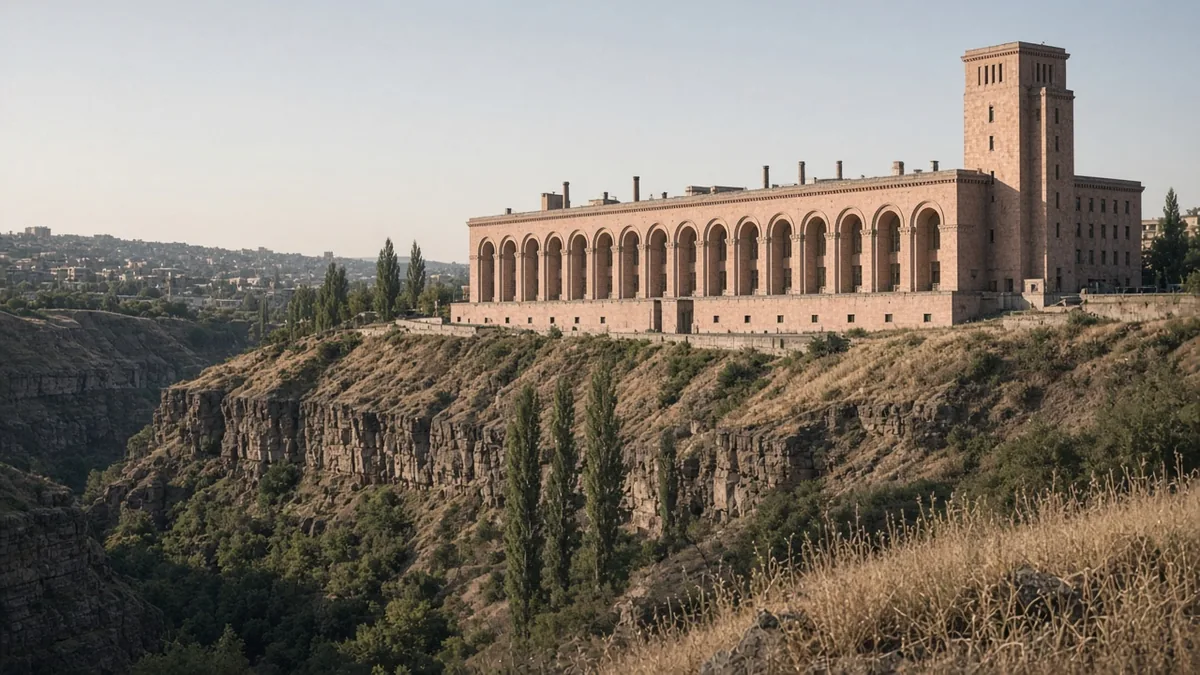
In the late 1940s work began on a new factory building, on a hill by the Hrazdan River. Also, the company names the architect as Hovhannes Markaryan.
Then the 1950s brought more blends. For example, the history page dates Festive to 1957, Akhtamar and Nairi to 1967, and Ani to 1977.
In 1998 the Yerevan Brandy Company joined Pernod Ricard. Meanwhile, Armenia was already independent again.
Also, the company says it pressed for a rule that Armenian brandy be made in Armenia, from grapes grown there. In 2010 a new logo put a phoenix on the bottle, and in 2011 Dvin returned.
Today the company says Ararat Brandy is sold in more than 50 countries.
Inside the Ageing Cellar
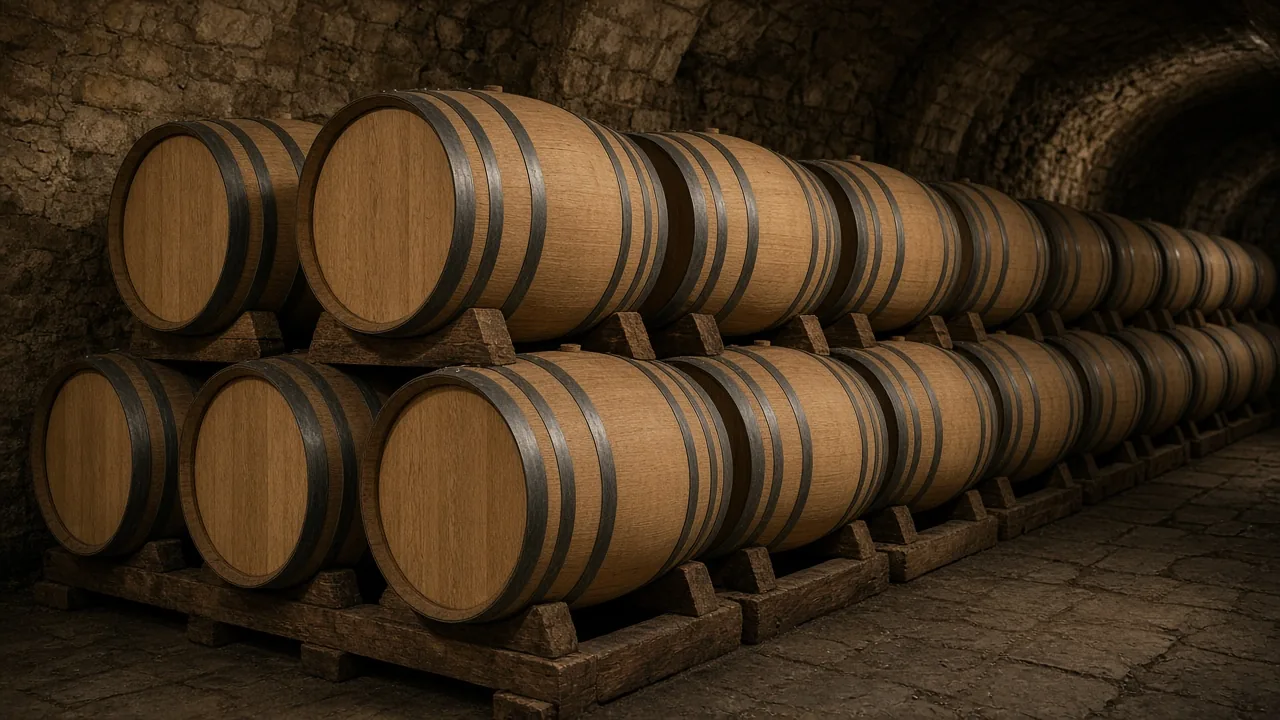
This is not a walk from the grape delivery to the bottling line. In fact, the museum page calls the museum the distillery’s working ageing workshop.
Also, you see the casks, and the tour ends in a tasting room. Then the guide pours the package you booked.
The factory page names three things in the blend. For example, grapes grown in Armenia, barrels of Caucasian oak, and water from the Katnakhbyur spring.
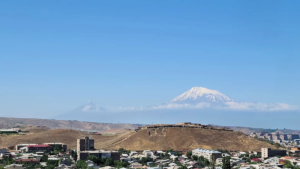
However, the museum floor also holds displays about blending, time and Mount Ararat. In addition, one of them keeps rare bottles in a shape meant to recall the mountain.
Visit Yerevan calls the museum one of the most visited places in Armenia, with tens of thousands of guests a year. Also, it says more than 30 presidents have come. For example, it names Charles Aznavour, George Clooney and John Malkovich among the visitors.
Book the Right Factory
Yerevan has a second brandy house, and it is not this tour. However, Noy comes from the Yerevan Ararat Brandy Factory, a separate company.
Therefore, when you book, ask for the ARARAT Museum at 2 Admiral Isakov Avenue. In fact, a ticket that only says “brandy factory” can send you to the wrong door.
Ararat Brandy on the Table
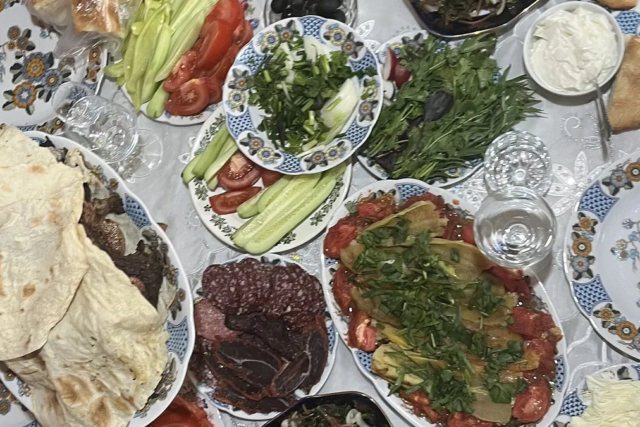
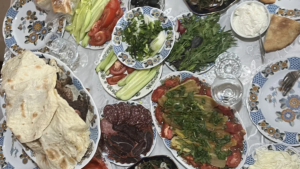
On an Armenian table, brandy often comes after the meal, in small glasses, while the toasts continue. Also, the wider story of the drink is on the page about Armenian brandy.
Meanwhile, Armenian wine is the other glass you will be offered. The whole table is set out in the guide to Armenian cuisine.
The history page calls this brandy a drink for a family celebration or a talk with friends. However, the museum tasting is a few short pours, not a dinner.
Then sweets and water come with the glasses. Finally, the shop at the same address is a separate phone line if you want a bottle to take away.
So if you have not tasted Ararat Brandy yet, book the museum and taste it beside the casks.
Questions Visitors Ask
How much does the tour cost?
As of November 2026, 4,500 dram for Three Stars and Ani, 7,500 for the flavoured set, 10,000 for Akhtamar, Nairi and Vaspurakan, and 12,000 for three ten-year brandies. Each pour is 25 ml.
How do I book?
Phone +374 10 51 01 49 if the date is soon. If it is more than four days away, email museum@pernod-ricard.com and wait for a reply before you treat the visit as booked.
Can I drive afterwards?
No. The museum says alcohol and driving do not go together. Take a taxi back into the city.
Sources
- ARARAT Museum: Brandy Tour, Yerevan Brandy Company (read 10 November 2026)
- ARARAT Brandy Factory, Yerevan Brandy Company (read 10 November 2026)
- History of ARARAT, Yerevan Brandy Company (read 10 November 2026)
- ARARAT Museum, Visit Yerevan (read 10 November 2026)
- Noy (brandy), Wikipedia, for the separate Yerevan producer (read 10 November 2026)
More places, food and practical guides are on iArmenia.