Last updated: 15 November 2026· Facts checked November 2026
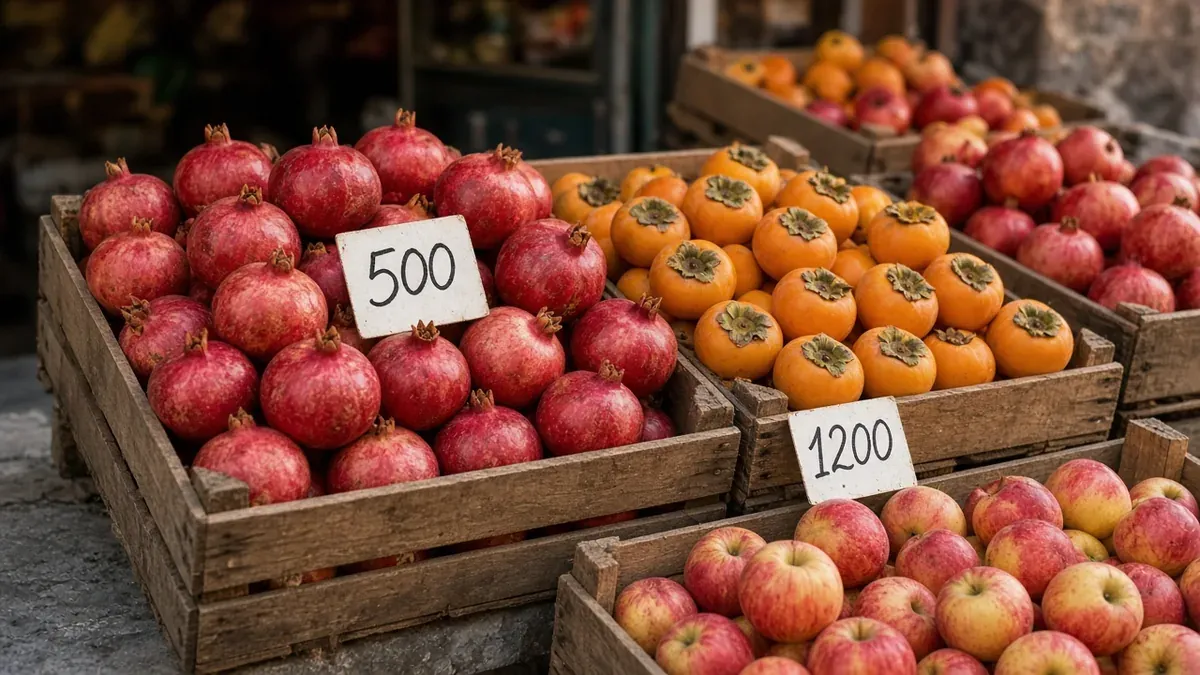
Armenian numbers are easy to learn once you know the first ten words and a few joining rules. You will hear them at every market stall, in every taxi, and on every price in Armenian dram.
This page counts in Eastern Armenian, the standard language of Armenia. It gives the words from one to a hundred, then the thousands you see on banknotes. Finally, it shows how the old alphabet doubled as a number system.
In this guide · 4 sections
Armenian Numbers from One to Ten
Every larger number is built from these ten words, so learn them first. The spellings below follow Omniglot’s Eastern Armenian table, with its romanisation in brackets. An apostrophe marks a breathy sound, as in “yerek'”.
- 0 – զրո (zro)
- 1 – մեկ (mek)
- 2 – երկու (yerku)
- 3 – երեք (yerek’)
- 4 – չորս (ch’vors)
- 5 – հինգ (hing)
- 6 – վեց (vets’)
- 7 – յոթ (yot’)
- 8 – ութ (ut’)
- 9 – ինը (iny)
- 10 – տասը (tasy)
Two of them change shape when they join other words. Tasy (“ten”) becomes tasn in the teens, and iny (“nine”) keeps its final sound only at the end. In fact, that small change is most of the grammar you need for counting.
Learn mek, yerku, yerek’ and hing first. Prices, bus numbers and room numbers will start to make sense within a day.
From Eleven to a Hundred
The teens are “ten” plus the unit, written as one word. Eleven is tasnmek, twelve is tasnerku, and fifteen is tasnhing. Nineteen is tasniny. So once you know one to nine, you already know eleven to nineteen.
Twenty is k’san, and the twenties follow the same pattern. Twenty-one is k’sanmek, twenty-five is k’sanhing, and twenty-nine is k’saniny. However, the other tens have their own words, and those are worth memorising.
- 20 – քսան (k’san)
- 30 – երեսուն (yeresun)
- 40 – քառասուն (k’arrasun)
- 50 – հիսուն (hisun)
- 60 – վաթսուն (vat’sun)
- 70 – յոթանասուն (yot’anasun)
- 80 – ութսուն (ut’sun)
- 90 – Omniglot writes ինիսուն (inisun) [CHECK: dictionary spelling of 90]
- 100 – հարյուր (haryur)
Most tens from thirty up end in -sun, which helps you hear them in a fast sentence. Then you join the unit to the ten the same way as in the twenties. For example, forty-five is k’arrasunhing, and sixty-three is vat’sunyerek’.
Seventy is the long one, yot’anasun, so listen for it carefully. Also, the hundreds simply put a unit before haryur: yerku haryur is two hundred, and hing haryur is five hundred. There is no separate word for each hundred.
Thousands and the Banknotes
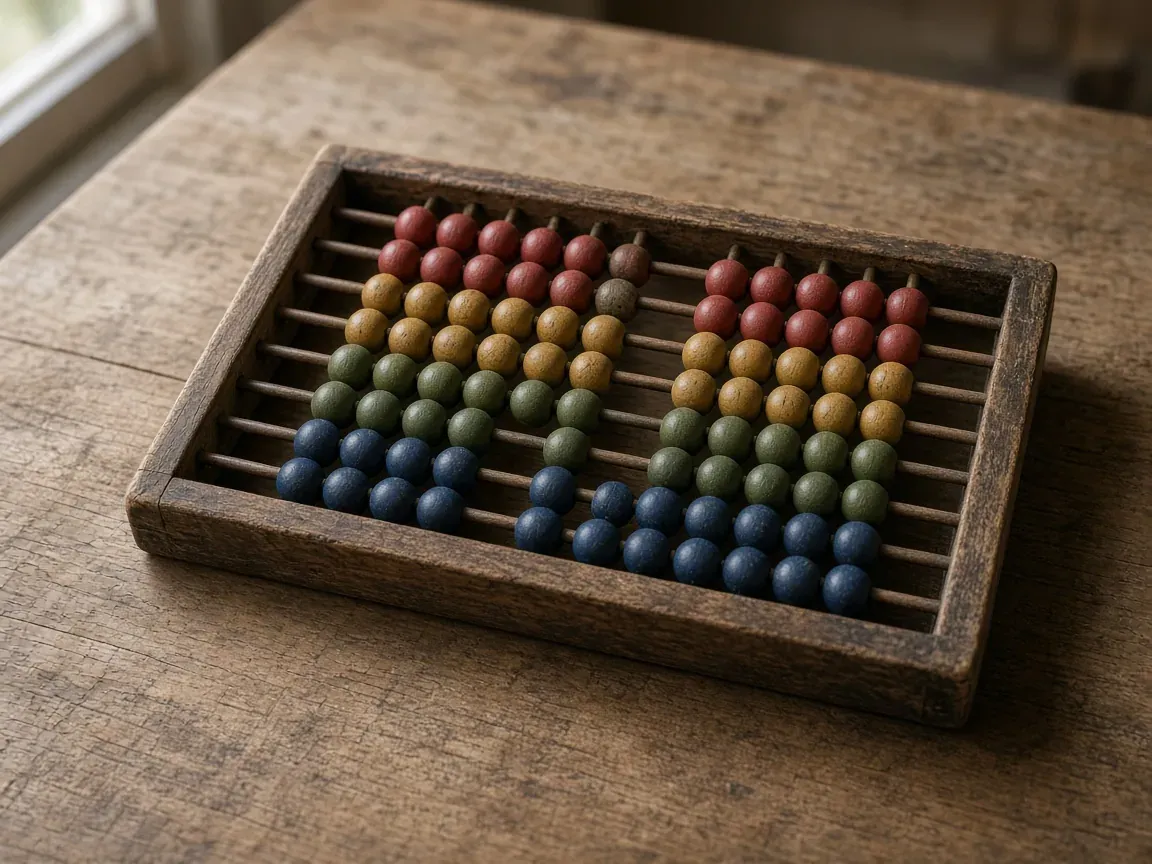
A thousand is hazar, and a million is milion. Two thousand is yerku hazar, and ten thousand is tas hazar. Therefore you need only three new words, haryur, hazar and milion, to read any price in Armenia.
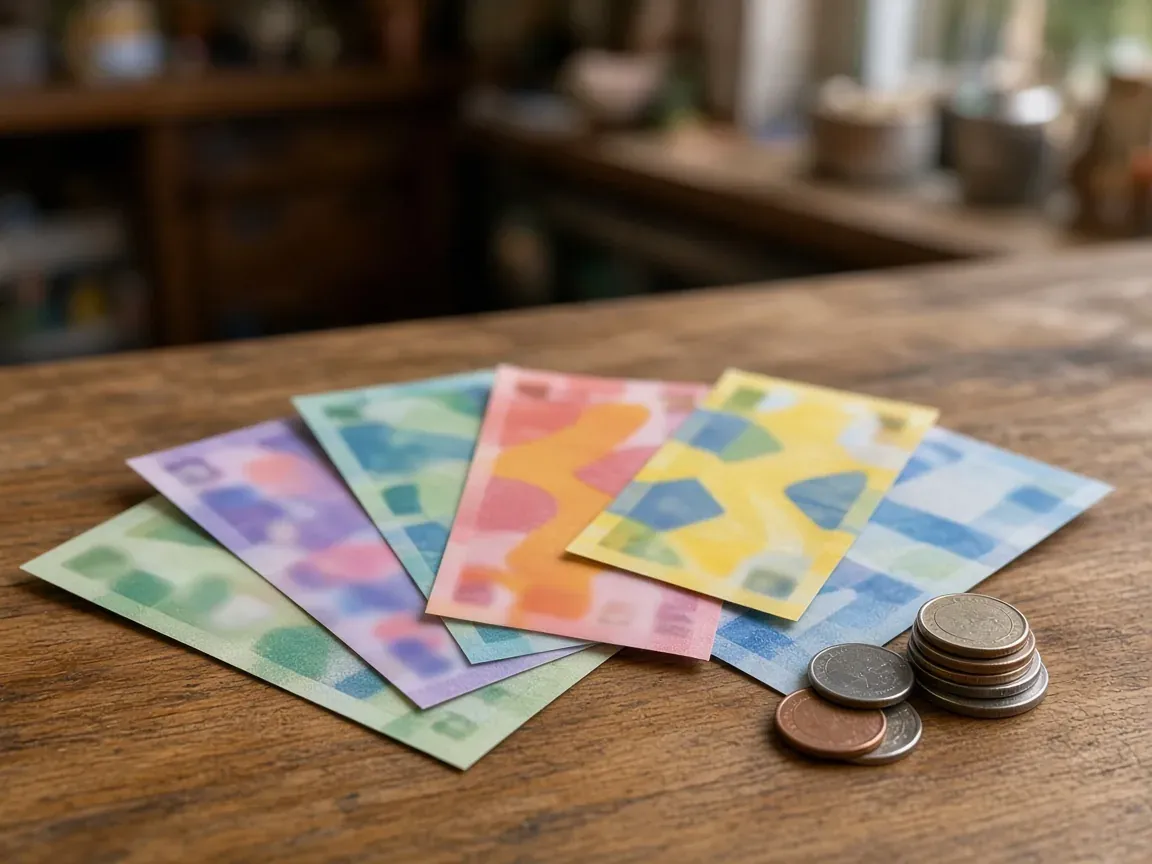
The Central Bank put the dram into circulation on 22 November 1993. One dram is a hundred luma, though you will not see luma in a shop. That matters because the dram has large numbers. The Central Bank of Armenia lists notes of 1,000, 2,000, 5,000, 10,000, 20,000 and 50,000 dram in the current series. A seller will say hazar for the smallest note and hisun hazar for the largest.
The bank’s list shows the 2,000 note only with a 2018 issue year, so it is the newest value in your wallet. Its name is easy: yerku hazar. In fact, you can count most notes in a Yerevan shop with just five words, mek, yerku, hing, tas and hazar.
Prices in shops come in figures, not words, so reading is easy. Listening is harder. Meanwhile, a taxi driver may give a fare as yerku hazar hing haryur, two thousand five hundred. Say it back to him to check you heard right.
First, Second and Third
Ordinals mostly add -erord or -rord to the number. Omniglot lists yerkrord for second, yerrord for third and hingerord for fifth. First is its own word, arrajin, which you will also see on signs for the first floor or first platform.
The rest follow the same rule. Fourth is ch’vorrord, sixth is vets’yerord, seventh is yot’yerord and eighth is ut’yerord. Ninth is innerord, and tenth is tasnerord. Then the teens take the ending too: eleventh is tasnmekerord, and twentieth is k’sanerord.
When Letters Were Numbers
Before Armenians used Arabic digits, they wrote numbers with the capital letters of the Armenian alphabet. Each of the first nine letters stood for a unit, from Ա for 1 to Թ for 9. The next nine stood for the tens, and the next nine for the hundreds.
Ժ is 10, Ի is 20, and Ճ is 100. Ռ is 1,000. Writers added the values together, and there was no sign for zero. As a result, the year 1975 became ՌՋՀԵ, that is 1,000 plus 900 plus 70 plus 5.
The same principle runs through ancient Greek and Hebrew numerals. A number is written left to right, largest value first, with at most one letter for each power of ten. So 120 is ՃԻ, a hundred and twenty, and 2004 is ՍԴ, two thousand and four. The missing tens and hundreds are simply left out.
The last two letters of today’s alphabet, Օ and Ֆ, came later than the rest. Armenians added them to write sounds from other languages, after Arabic digits were already in use. Even so, some tables give them values too, 10,000 for Օ and 20,000 for Ֆ.
Letter Numbers Today
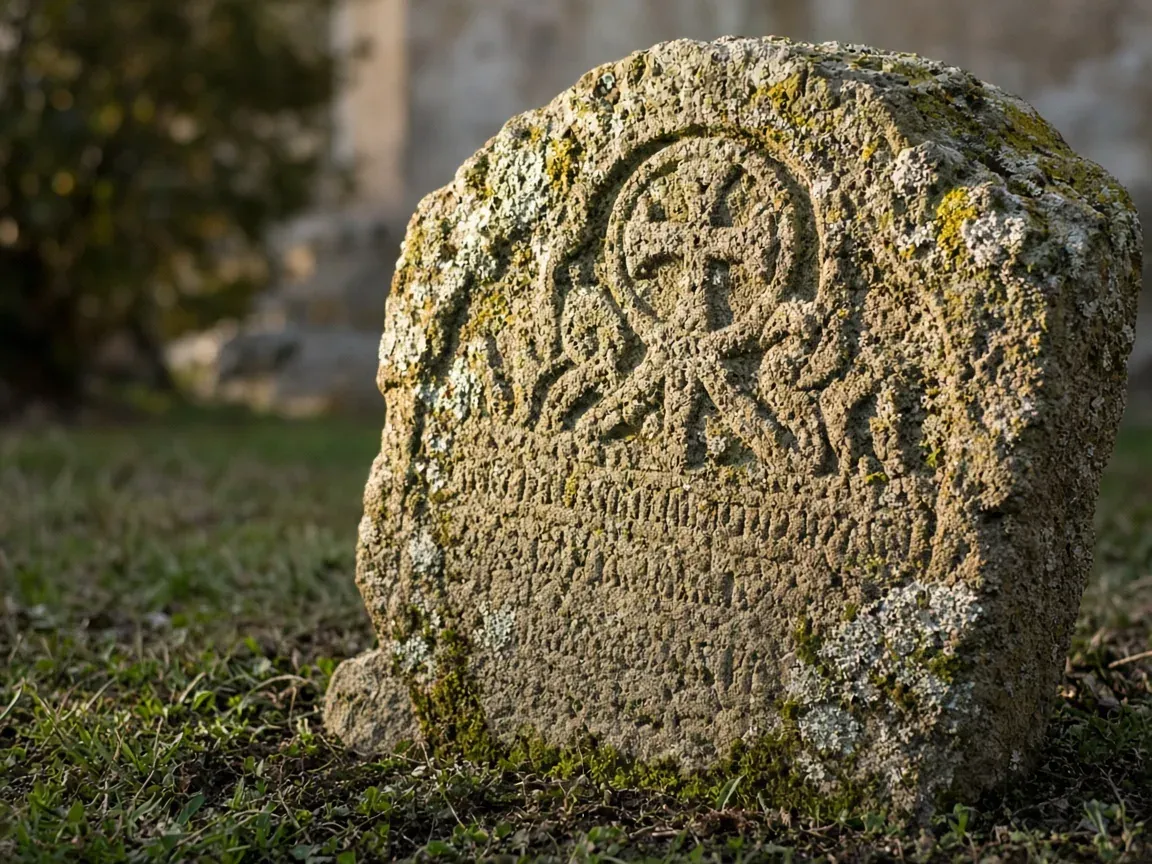
You still meet the system today. Armenians use letters the way English uses Roman numerals, for chapters and for church leaders. Catholicos Garegin II is written Գարեգին Բ., with Բ for 2. Look for these letters on old gravestones and in church inscriptions.
In the 7th century the scholar Anania Shirakatsi built a shorter notation from only twelve letters. He wrote 50 as ԵԺ, five times ten, instead of the single letter Ծ. His method shows how long Armenians have thought hard about numbers, well before the modern school on the Armenian language.
So, learn the first ten words before you fly, then try them in a Yerevan market. Ask the price, listen for hazar, and count your change out loud.
Questions Visitors Ask
How do you say one, two, three in Armenian?
Mek, yerku, yerek’. In Armenian letters: մեկ, երկու, երեք.
How do you say a thousand in Armenian?
Hazar (հազար). Two thousand is yerku hazar, which you will hear often, because 2,000 dram is a common note.
Do Armenians still use letters as numbers?
Only for ordered lists, chapters and titles, much like Roman numerals in English. Everyday numbers use ordinary digits.
Sources
- Omniglot, “Numbers in Eastern Armenian”, read 15 November 2026: cardinal and ordinal words with romanisation. omniglot.com
- Central Bank of Armenia, “Banknotes in circulation”, read 15 November 2026: the current note values. cba.am
- Wikipedia, “Armenian numerals”, read 15 November 2026: letter values, examples, modern use, Shirakatsi notation. en.wikipedia.org
More language and culture guides are on iArmenia.