Last updated: 12 November 2026· Facts checked November 2026
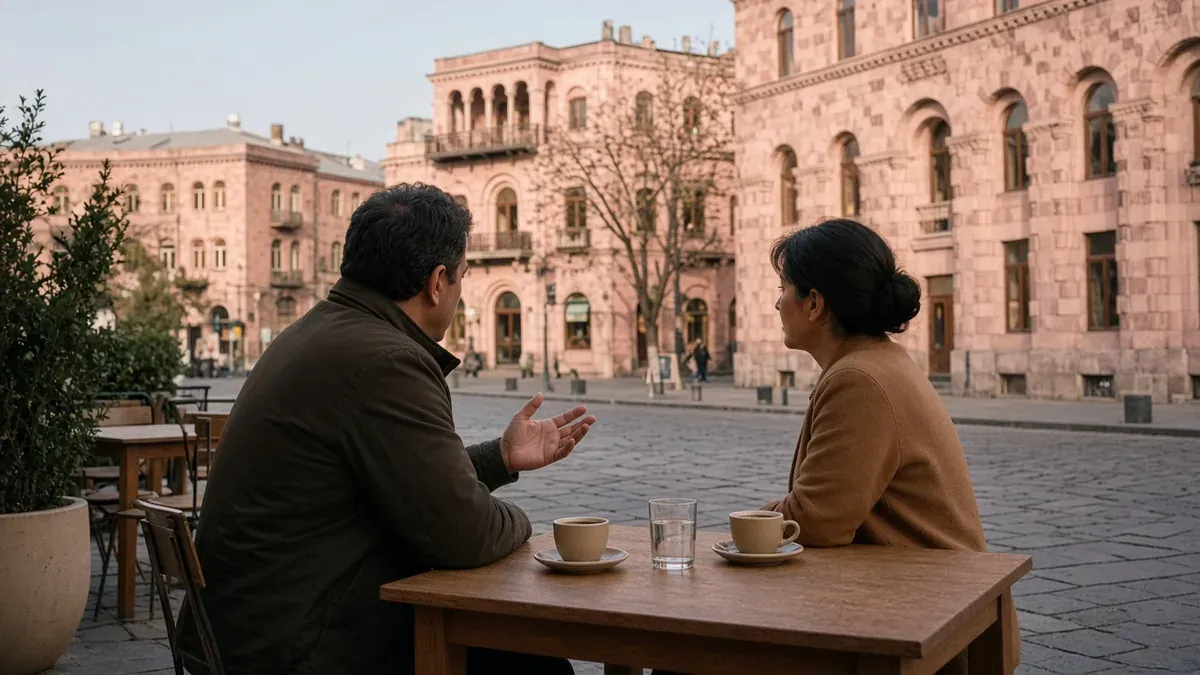
These Armenian phrases will get a traveller through greetings, shops, cafés and taxis. In Armenian, “hello” is barev (Բարև), or barev dzez (Բարև ձեզ) to be polite. “Thank you” is shnorhakalutyun (Շնորհակալություն), though in everyday speech many people simply say merci (Մերսի).
The 25 phrases below are in Eastern Armenian, the standard spoken in Armenia. Also, each comes with the Armenian script, a simple English pronunciation guide and a note on when to use it. Learn five or six, and people will notice the effort.
Key Facts
- Language: Armenian, the official language; Armenia uses the Eastern standard
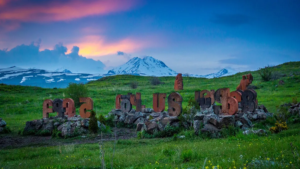
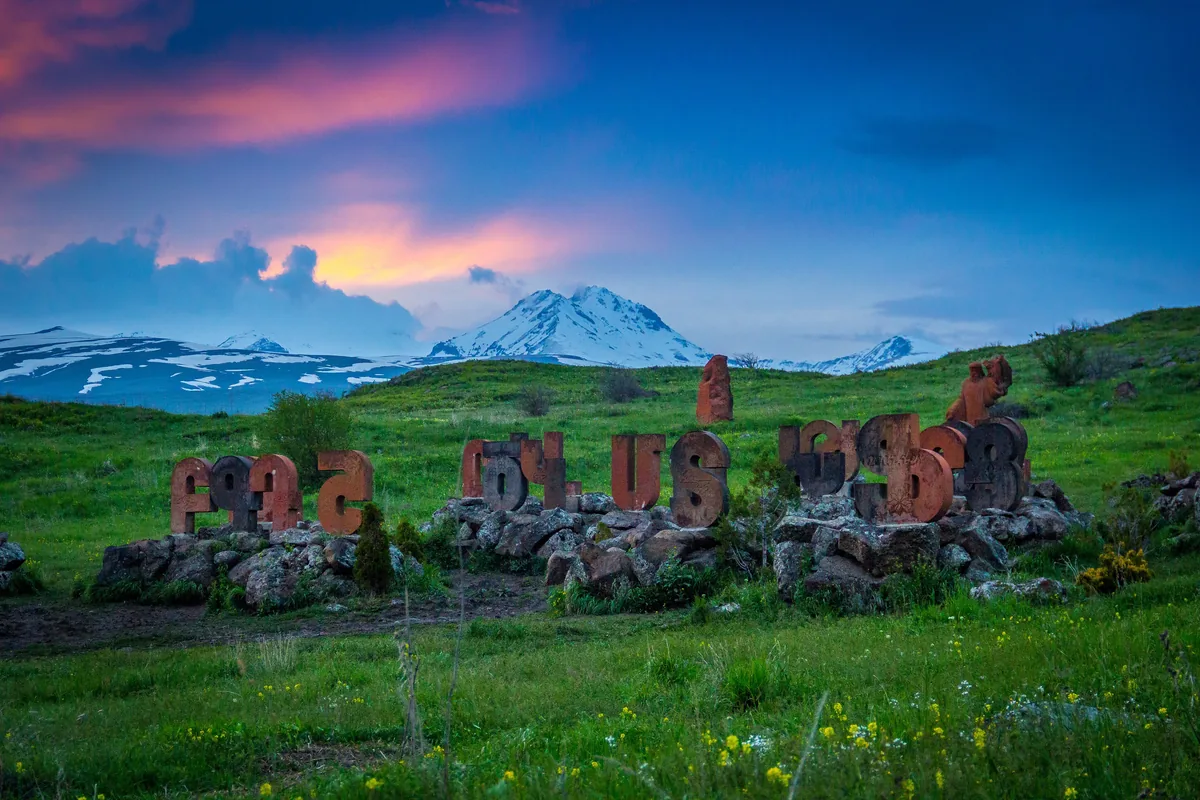
- Script: the Armenian alphabet, created by Mesrop Mashtots in 405 AD with 36 letters; two more were added in the Middle Ages
- Russian: widely understood; about 53% of the population reported it as a second language in the 2011 census
- English: far less widespread than Russian, so a few Armenian words help
- Must-know words: barev dzez, merci, khndrem, ayo, voch
In this guide · 6 sections
25 Armenian Phrases for Travellers
Stressed syllables are in capitals. In fact, in Armenian, the stress almost always falls on the last syllable of a word, so when in doubt, lean on the end.
| # | English | Armenian | Say it | Notes |
|---|---|---|---|---|
| 1 | Hello (informal) | Բարև | ba-REV | To a friend or someone your age |
| 2 | Hello (polite) | Բարև ձեզ | ba-REV dzez | Safe with everyone |
| 3 | Good morning | Բարի լույս | ba-REE looys | Literally “good light” |
| 4 | Good evening | Բարի երեկո | ba-REE ye-re-KO | |
| 5 | Goodbye | Ցտեսություն | tsuh-te-soo-TYOON | The standard goodbye |
| 6 | Bye (good luck) | Հաջողություն | ha-jo-ghoo-TYOON | Literally “success”; a very common goodbye |
| 7 | Thank you | Շնորհակալություն | shnor-ha-ka-loo-TYOON | The standard, polite word |
| 8 | Thanks | Մերսի | mer-SEE | From French; informal |
| 9 | Please / You’re welcome | Խնդրեմ | khuhn-TREM | One word does both jobs |
| 10 | Please (fuller form) | Խնդրում եմ | khuhn-TROOM em | Common at the end of a request |
| 11 | Yes | Այո | a-YO | Casual: Հա (ha) |
| 12 | No | Ոչ | voch | Casual: Չէ (cheh) |
| 13 | Excuse me (to get attention) | Կներեք | kuh-ne-REK | Polite form |
| 14 | Sorry | Ներողություն | ne-ro-ghoo-TYOON | “gh” is a throaty sound, like a French “r” |
| 15 | How are you? | Ինչպե՞ս եք | inch-PES ek | Polite form |
| 16 | I’m fine | Լավ եմ | LAV em | |
| 17 | My name is … | Իմ անունը … է | im a-NOO-nuh … eh | Put your name in the gap |
| 18 | I don’t understand | Չեմ հասկանում | chem has-ka-NOOM | |
| 19 | Do you speak English? | Դուք անգլերեն խոսո՞ւմ եք | dook an-gle-REN kho-SOOM ek | Polite form |
| 20 | How much is it? | Ի՞նչ արժե | inch ar-ZHEH | “zh” as in “measure” |
| 21 | Where is …? | Որտե՞ղ է … | vor-TEGH eh | |
| 22 | Where is the toilet? | Որտե՞ղ է զուգարանը | vor-TEGH eh zoo-ga-RA-nuh | |
| 23 | The bill, please | Հաշիվը, խնդրում եմ | ha-SHEE-vuh, khuhn-TROOM em | |
| 24 | Very tasty | Շատ համեղ է | shat ha-MEGH eh | A compliment to the cook |
| 25 | Help! | Օգնություն | ok-noo-TYOON | For emergencies |
Thank You: Shnorhakalutyun or Merci?
Both are correct. Shnorhakalutyun is the standard, polite word and the right choice in writing and formal settings. Merci came into Armenian from French and is informal, but you will hear it all the time. “Thank you very much” is shat shnorhakalutyun (Շատ շնորհակալություն), where shat means “very”.
Please and You’re Welcome: Khndrem
Khndrem is the handiest word on the list. Say it when you ask for something, and say it back when someone thanks you. The fuller khndrum em also means “please”, and you will often hear it at the end of a request, as in row 23.
Toasts: Kenats
The Armenian word for a toast is kenats (կենաց). It comes from the classical Armenian for “of life”, so every toast is, in a sense, to life. To raise a glass to one person you know well, say kenatsd (կենա՛ցդ). In company, the polite dzer kenatsuh (Ձեր կենացը, literally “your toast”) is safe with everyone.
One word, khndrem, means both “please” and “you’re welcome”, so it is the first one to learn.
Food and Drink Words
These words cover most menus. For what to order, see our guide to Armenian cuisine.
| English | Armenian | Say it |
|---|---|---|
| Water | ջուր | joor |
| Bread | հաց | hats |
| Coffee | սուրճ | soorch |
| Tea | թեյ | tey |
| Wine | գինի | gee-NEE |
| Beer | գարեջուր | ga-re-JOOR |
| Cheese | պանիր | pa-NEER |
| Barbecue | խորոված | kho-ro-VATS |
| Menu | մենյու | men-YOO |
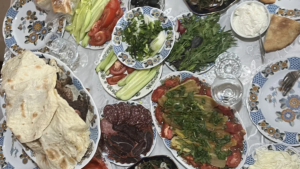
Khorovats is the word for grilled meat on skewers; read more in our khorovats guide. If you are invited to a home, expect to be fed generously. A heartfelt “shat hamegh e” will be well received.
Numbers 1 to 10
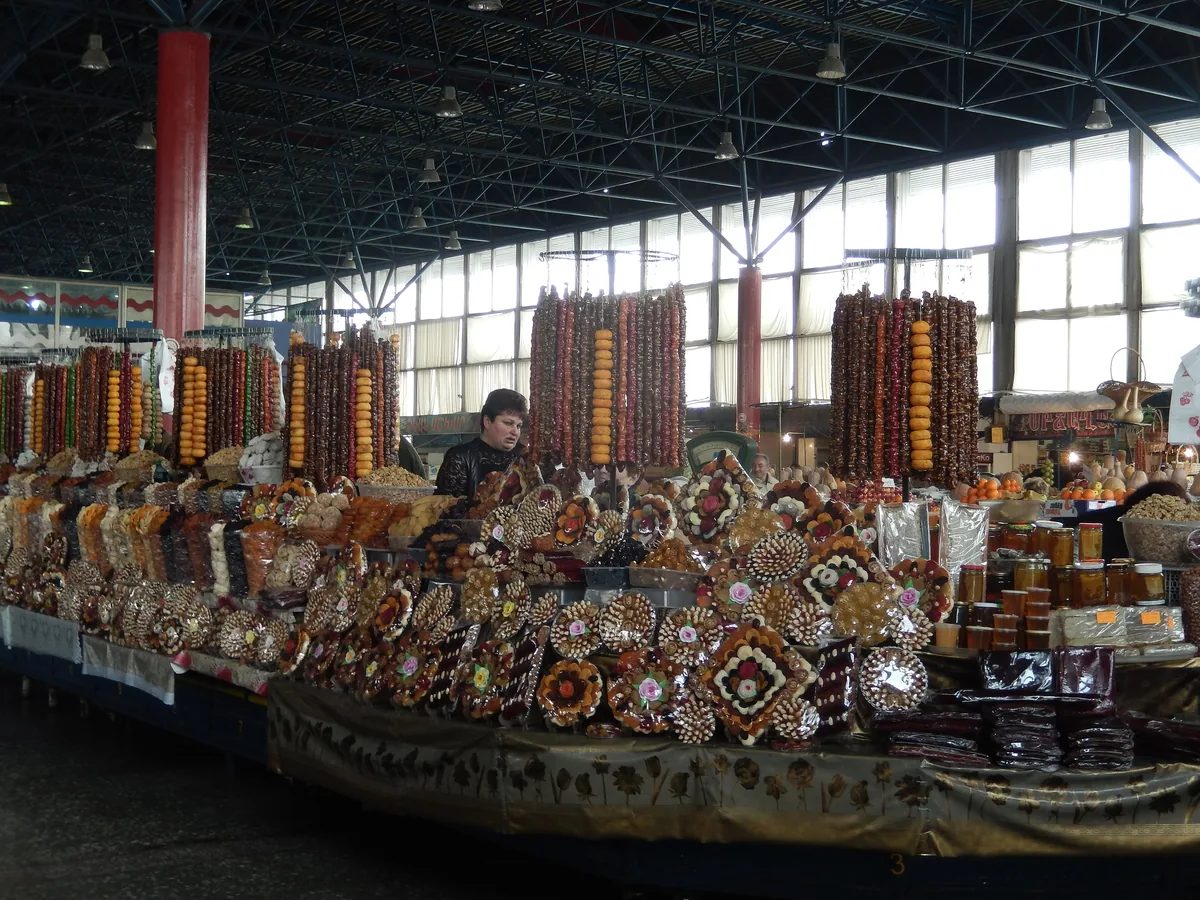
Numbers help with prices, bus numbers and market shopping.
| Number | Armenian | Say it |
|---|---|---|
| 1 | մեկ | mek |
| 2 | երկու | yer-KOO |
| 3 | երեք | ye-REK |
| 4 | չորս | chors |
| 5 | հինգ | hing |
| 6 | վեց | vets |
| 7 | յոթ | yot |
| 8 | ութ | oot |
| 9 | ինը | EE-nuh |
| 10 | տաս (written տասը) | tas |
How to Pronounce Armenian Phrases
- Stress the last syllable – ba-REV, mer-SEE, ye-re-KO.
- “kh” – the rough sound in Scottish “loch”; “gh” is a softer, gargled sound, like a French “r”.
- “uh” – a short neutral vowel, as in the “a” of “about”. It is often not written between consonants but is still said, which is why խնդրեմ sounds like “khuhn-trem”.
- The ending -ություն – sounds like “-oo-tyoon”, with a soft “t” followed by “yoon”, as in shnorhakalutyun.
- Three kinds of p, t, k and ch – Armenian has plain, aspirated (with a puff of air) and voiced versions. Visitors are understood without mastering this.
- “e” at the start of a word – usually said “ye”, as in yerek (three) and Yerevan.
Reading signs is easier once you know a few letters. Start with our introduction to the Armenian alphabet, and our guide to the Armenian language explains where these words come from.
Russian and English in Armenia
Armenian is the only official language, but Russian is widely understood. However, in the 2011 census, about 53% of Armenia’s population said they spoke Russian as a second language. So if your Armenian runs out, Russian will often work.
English is much less widespread, so don’t count on it everywhere, especially outside Yerevan. In any case, a few Armenian words always make a good impression.
Armenian has a polite “you” and a familiar “you”. With strangers and older people, use the polite forms in this list.
The polite forms here are barev dzez, inchpes ek, dook … khosum ek and knerek. Today, nobody will be offended by too much politeness.
Western Armenian: What Changes
Many diaspora Armenians speak Western Armenian, the standard of the communities whose families came from Western Armenia, in today’s Turkey. As a result, the two standards are largely mutually understandable. However, some consonants swap places.
For example, Eastern barev sounds like parev in Western Armenian, and shnorhakalutyun becomes shnorhagalutyun. Western speakers also use hajis (հաճիս) for “please”. Western Armenian keeps the older, classical spelling too, so “thank you” is written շնորհակալութիւն.
So, before your trip, try saying barev dzez, merci and khndrem out loud a few times. For example, then use them in Armenia at the first café you visit, and watch the smiles.
Questions Visitors Ask
What is hello in Armenian?
Barev (Բարև). In addition, to be polite, say barev dzez (Բարև ձեզ). In the morning you can also say bari luys (Բարի լույս), “good morning”.
What is thank you in Armenian?
Shnorhakalutyun (Շնորհակալություն) is the standard word. Meanwhile, in daily life many people simply say merci (Մերսի).
Can I get by with Russian in Armenia?
Often, yes: about half the population reported Russian as a second language in the 2011 census. Therefore, a few Armenian words are always appreciated.
What do Armenians say when they toast?
The toast itself is a kenats (կենաց). Moreover, to one friend, say kenatsd (կենա՛ցդ); to a group or politely, dzer kenatsuh (Ձեր կենացը).
Is Armenian hard to learn?
The alphabet takes some practice and the grammar takes longer, but the basic phrases on this page are easy to say. Also, spelling is close to pronunciation, so once you know the letters, reading gets easier.
Sources
- Armenian phrasebook, Wikivoyage (read 9 November 2026)
- Wiktionary entries with Eastern and Western pronunciation for every word in the tables, and its English phrasebook entries (hello, thank you, please, how are you, do you speak English, where is the toilet, cheers) (read 9 November 2026)
- Hello in Armenian and other useful phrases, Armenian Explorer (read 9 November 2026)
- Armenian travel phrases, Preply (read 9 November 2026)
- Armenian alphabet, Encyclopaedia Britannica (search excerpt, read 9 November 2026)
- Russian in Armenia, UNESCO World Atlas of Languages (2011 census figures; read 9 November 2026)
- Languages of Armenia and Western Armenian, Wikipedia (second source only; read 9 November 2026)
In addition, you only need a handful of phrases on the first day. For example, hello, thank you and how much will cover a market stop. As a result, people usually smile and help. Meanwhile, Russian still works if the Armenian runs out. Therefore, do not worry about a perfect accent. Moreover, the spelling follows the sound once you know the letters. However, a few letters take practice. In fact, reading a shop sign is a good first test. Today, even a short greeting makes the conversation easier. Also, try the words at the first café. Besides, a smile covers a small mistake. Likewise, shopkeepers usually repeat the price slowly.
Discover more of Armenia’s language, food and traditions on iArmenia.