Last updated: 14 November 2026· Facts checked November 2026
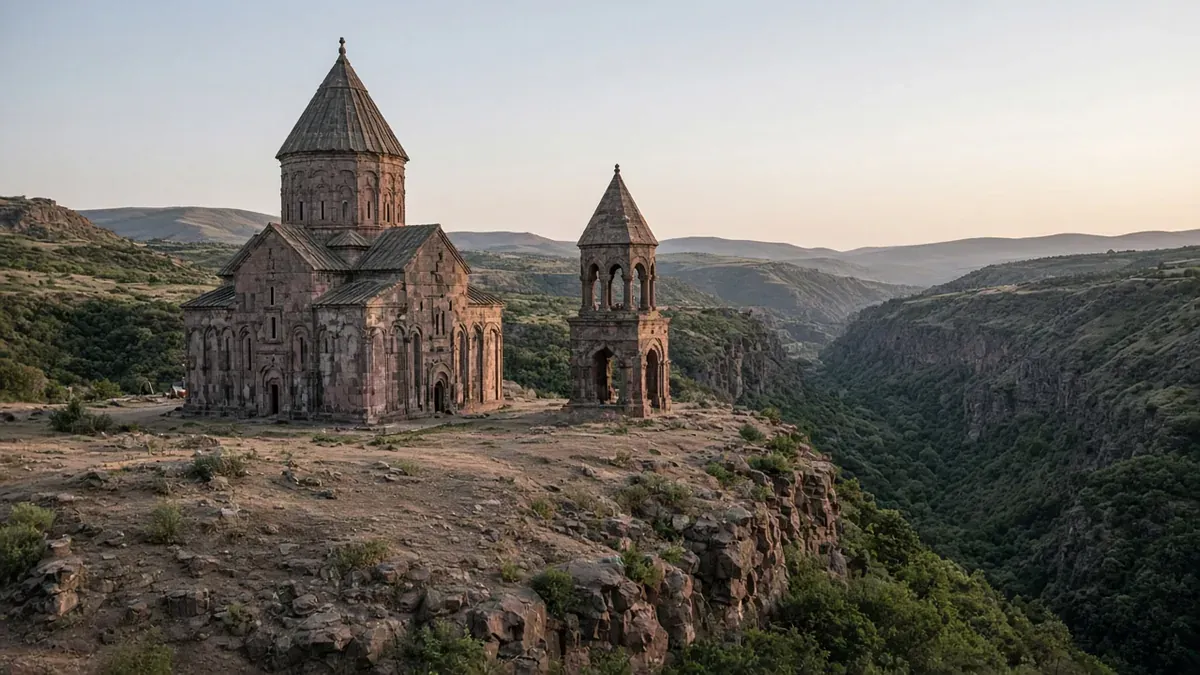
Haghpat Monastery is a stone complex in Lori, founded in 976. UNESCO lists it with Sanahin as one World Heritage site. You come for the church, the belfry and the cross-stones. The official pages do not describe a ticket window.
The twin site has its own page, Sanahin Monastery. This one stays at Haghpat. The road north from Yerevan is a day, not an afternoon stop beside the city.
Key Facts
- Where: Lori region. UNESCO places the pair in the Tumanian area
- Founded: 976, by Queen Khosrovanush, wife of King Ashot III the Merciful
- Main church: St Nshan, built 976–991, architect Trdat
- UNESCO: inscribed 1996 with Sanahin, criteria (ii) and (iv). Boundary change in 2000
- Hours and tickets: [CHECK] not printed on the UNESCO or Armenia Tourism pages read on 14 November 2026
In this guide · 4 sections
Why Haghpat Monastery Is a UNESCO Site
UNESCO inscribed Haghpat in 1996. The list today pairs it with Sanahin. The property is 2.65 hectares, with a buffer of 23.8 hectares. Criteria (ii) and (iv) name a blend of Byzantine church building and Caucasian vernacular work. They also call it an outstanding example of Armenian church architecture from the 10th to the 13th century.
In fact, the two houses are one serial site, not two separate listings. Haghpat was a centre of learning in the Kiurikian centuries. Sanahin was known for illuminators and calligraphers. Armenia Tourism repeats that both taught philosophy, medicine, rhetoric and music.
UNESCO also names the threats: earthquakes, industrial pollution, and the pressure of visitors on a tourism route. The same page says the buildings and the landscape have not been modified since the inscription, in spite of damage and repair. In 2012 a rehabilitation of Sanahin began. Haghpat’s record is the sequence of additions from 976 through the 13th century.
The Church, the Belfry and the Cross-Stone
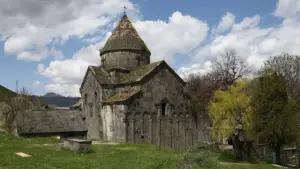
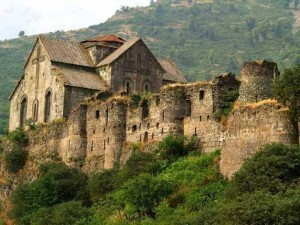
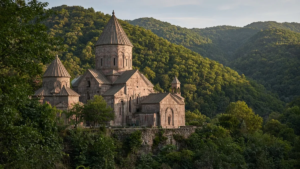
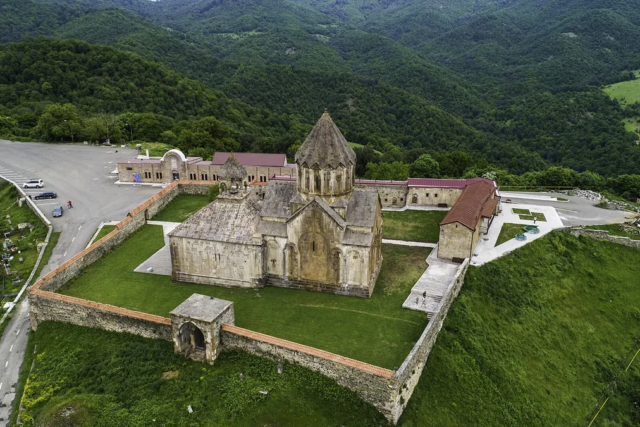
Queen Khosrovanush founded Haghpat in 976. The complex holds a narthex and two corridor tombs. It also holds a refectory, a scriptorium, the chapel of Hamazasp, a belfry, chapel-tombs and khachkars. All of that sits inside a towered wall. A 13th-century fort, Kayanberd, watched the approaches.
St Nshan is the oldest building. Trdat built it between 976 and 991. It is a domed rectangle, a little longer east to west, with a cross-shaped plan inside.
Four pillars in the side walls carry the dome. The earliest fresco layer in the main apse still shows Christ enthroned. Below that are the Annunciation, the birth and the baptism.
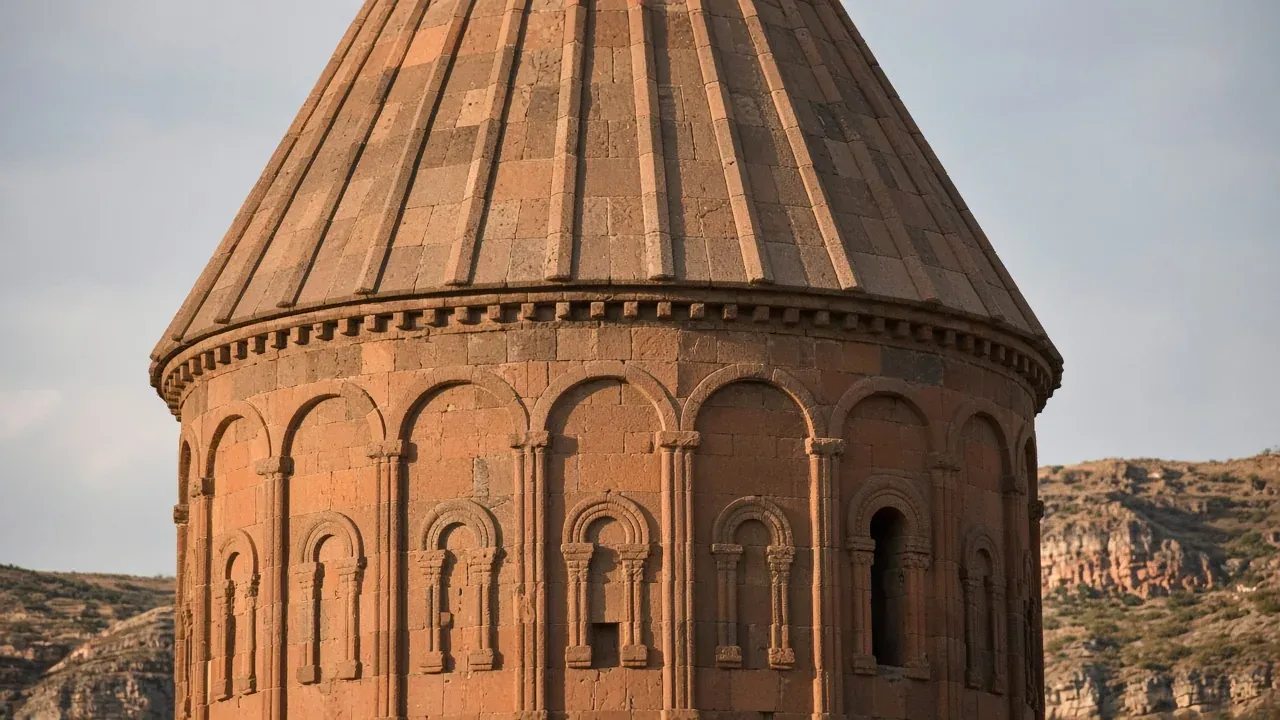
On the upper eastern wall, the kings Smbat and Gourgen stand facing each other and hold a model of the church. Princess Mariam added the narthex in the second decade of the 13th century. Crossing arches on two columns carry that vault.
However, the piece visitors remember is the belfry of 1245, on the east side. UNESCO calls it the earliest of its kind. The ground floor is cross-shaped. The second storey has eight sides. A bell chamber stands on seven columns.
Abbot Hamazasp’s hall, dated 1257, sits north of the church. It is square, with four columns and a hole in the roof for smoke and light.
The scriptorium and the 1273 cross-stone
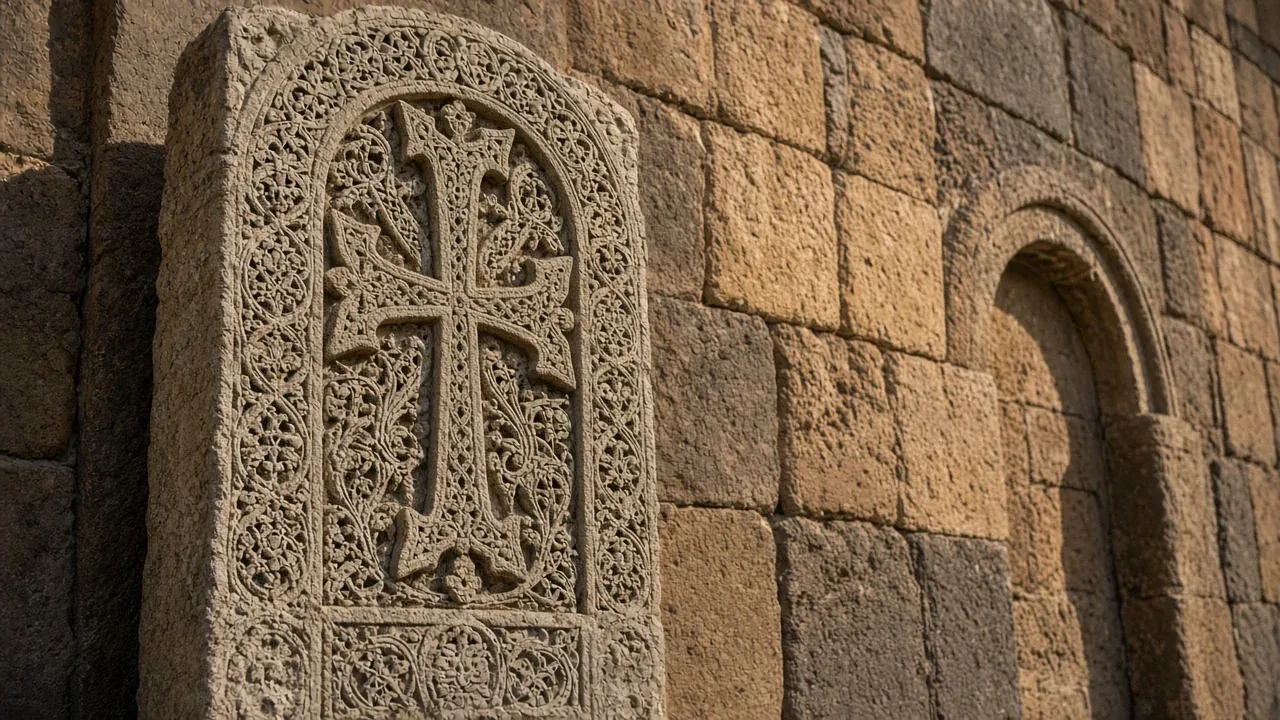
The scriptorium is 11th century and was rebuilt in the 13th. The refectory, also 13th century, splits one rectangle into two halls under crossing arches. At the north door of St Nshan stands the Amenaprkich khachkar of 1273, the Redeemer cross-stone.
In the 13th century the space between St Nshan, Hamazasp’s hall and the scriptorium was vaulted as a burial corridor. A second corridor tomb runs along the east side of the church.
UNESCO says the buildings have not been modified since the inscription, even after damage and repair. What you see is centuries of additions, not one plan drawn on a single day.
The 1245 belfry is the earliest of its type in the UNESCO description: cross plan, eight sides, seven columns.
How to Visit Haghpat Monastery
On 14 November 2026 the UNESCO page did not print opening hours or a ticket price. The Armenia Tourism page did not print them either. Therefore do not promise a timed entry from this article. [CHECK] the hours and any fee with the church or the village before you go.
Also, the site is a working church property, not a closed museum. Cover shoulders and knees if you step inside, as you would at Geghard Monastery or Noravank. Those two are other stone churches on this site, not stops on the same road.
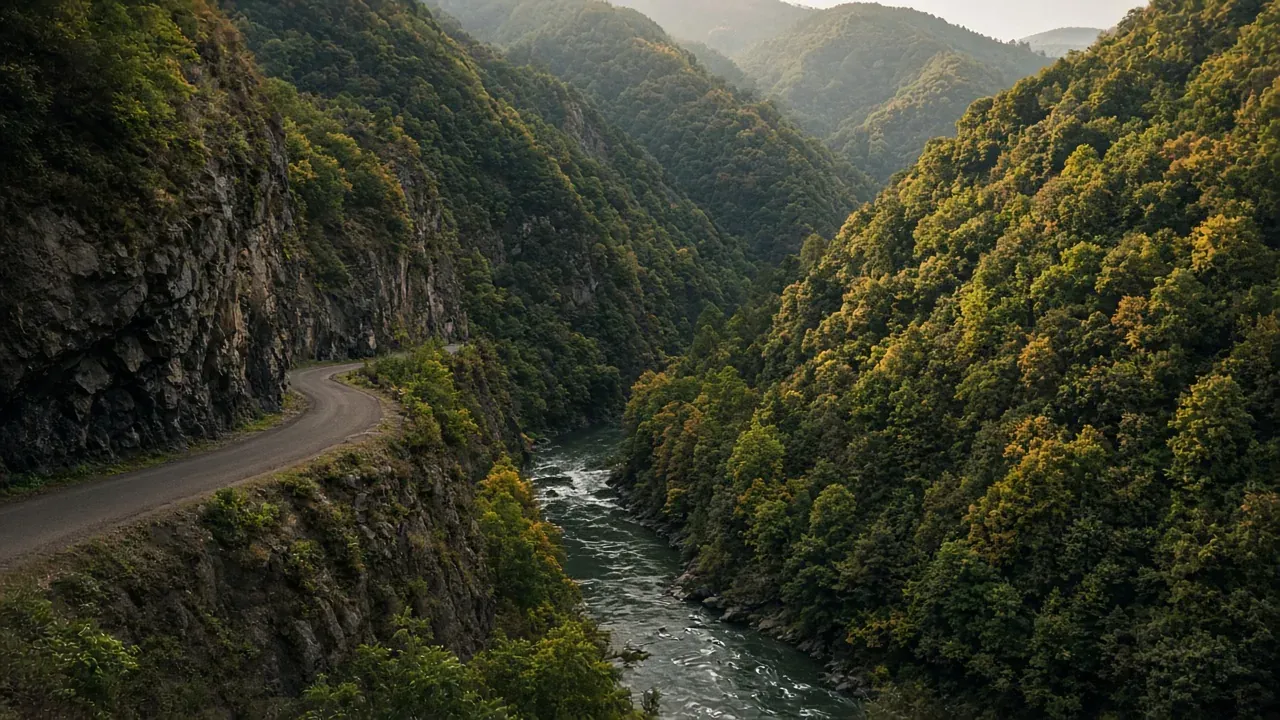
The national tourism page puts both monasteries in Lori and sends you to the UNESCO record for the history. It does not give a bus timetable. A blog’s fare or a taxi quote is not repeated here, because those pages are not the monastery or the state.
Sanahin, the Other Half of the Listing
Sanahin was the family burial place of the Kyurikyan Bagratids in the 10th and 11th centuries. It was also the bishop’s seat until the 11th century. Queen Khosrovanush paid for its main church, St Amenaprkich, built between 957 and 966. St Astvatsatsin there is dated 928–944.
For example, its 1181 narthex is the earliest known cross-in-square plan of that kind. The column capitals are carved as animal heads. More than 50 khachkars remain, among them the stones of Grigor Tuteordi and Sargis. A single-span stone bridge over the Debed gorge dates from the 13th century. It belongs to the same World Heritage property.
Sanahin’s book house was built in 1063. It is square and vaulted, with niches for the codices. St Grigor church is dated 1061.
The belfry beside the forechurch was built between 1211 and 1235, three storeys under a columned rotunda. St Harutyun, from the first quarter of the 13th century, stands outside the walls. Two springs serve the village, one of them with a well-house of 1831.
Finally, read Sanahin on its own page before you try to see both in one rushed hour. So, if you have a day in Lori, come to Haghpat Monastery for the 976 church and the 1245 belfry. Leave time for the cross-stone at the north door.
Questions Visitors Ask
When was Haghpat Monastery founded?
In 976, by Queen Khosrovanush. St Nshan, the main church, was built between 976 and 991 by the architect Trdat.
Why is it a UNESCO site?
Haghpat was inscribed in 1996 under criteria (ii) and (iv). The listing treats it as a high point of Armenian church architecture from the 10th to the 13th century. Sanahin shares the property on the list today.
Is there a ticket?
UNESCO and Armenia Tourism did not print a price or opening hours on the pages read on 14 November 2026. Check before you travel.
Sources
- UNESCO World Heritage Centre, “Monasteries of Haghpat and Sanahin”, read 14 November 2026: foundation, buildings, dates, criteria, size, ownership. whc.unesco.org
- Armenia Tourism, “The Monasteries of Haghpat and Sanahin”, read 14 November 2026: Lori, the 976 foundation, and the learning centres. No hours or ticket. armenia.travel
More places are on iArmenia.